Tour Programme will be handled by Travel Agency (Payment for Social Tour will be announced)
A city ahead of its time: the Ancient City of Ephesus



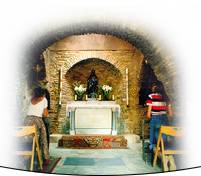
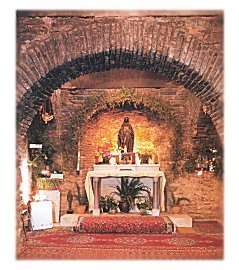 The resolutions of the council of 431 held that the Virgin Mary came to Ephesos. According to them, she came here together with Saint John, four to six years after the death of Christ. After the proclamation of Pope Paul VI in 1967, Pope John Paul II came to Ephesos and declared the House of Mary to be a place of pilgrimage for Christians. The house on the top of Bülbüldağ is believed to be the last home of the Virgin Mary. It is a world-famous place of pilgrimage. The structure is a church that dates to the seventh century, and was restored in 1951. The church was supposedly built on top of the house in which the Virgin Mary lived. The structure is cruciform, and has a domed roof. The nave and its apse are accessible from the vestibule. The House of Mary is a place of pilgrimage not only for Christians, but also for Muslims. Muslims use the room to the south, which is believed to be the bedroom of the Virgin Mary, as a prayer chapel. Translations of the Quranic suras that mention Mary are on display here. After the proclamation of Pope Paul VI in 1967, John Paul II came here in 1979 and declared the House of Mary to be a place of pilgrimage for Christians. The resolutions of the council of 431 held that the Virgin Mary came to Ephesos. According to them, she came here together with Saint John, four to six years after the death of Christ. Excavations in this area uncovered architectural components from the fırst to seventh centuries. The first major Church of Mary and the tomb of Saint John on Ayasuluk could be evidence of the resolutions of the council.